

a connected, complete community
Strengthening Westboro Village by adding new homes, community spaces, and walkable connections that support local life today while planning responsibly for future growth.
vision
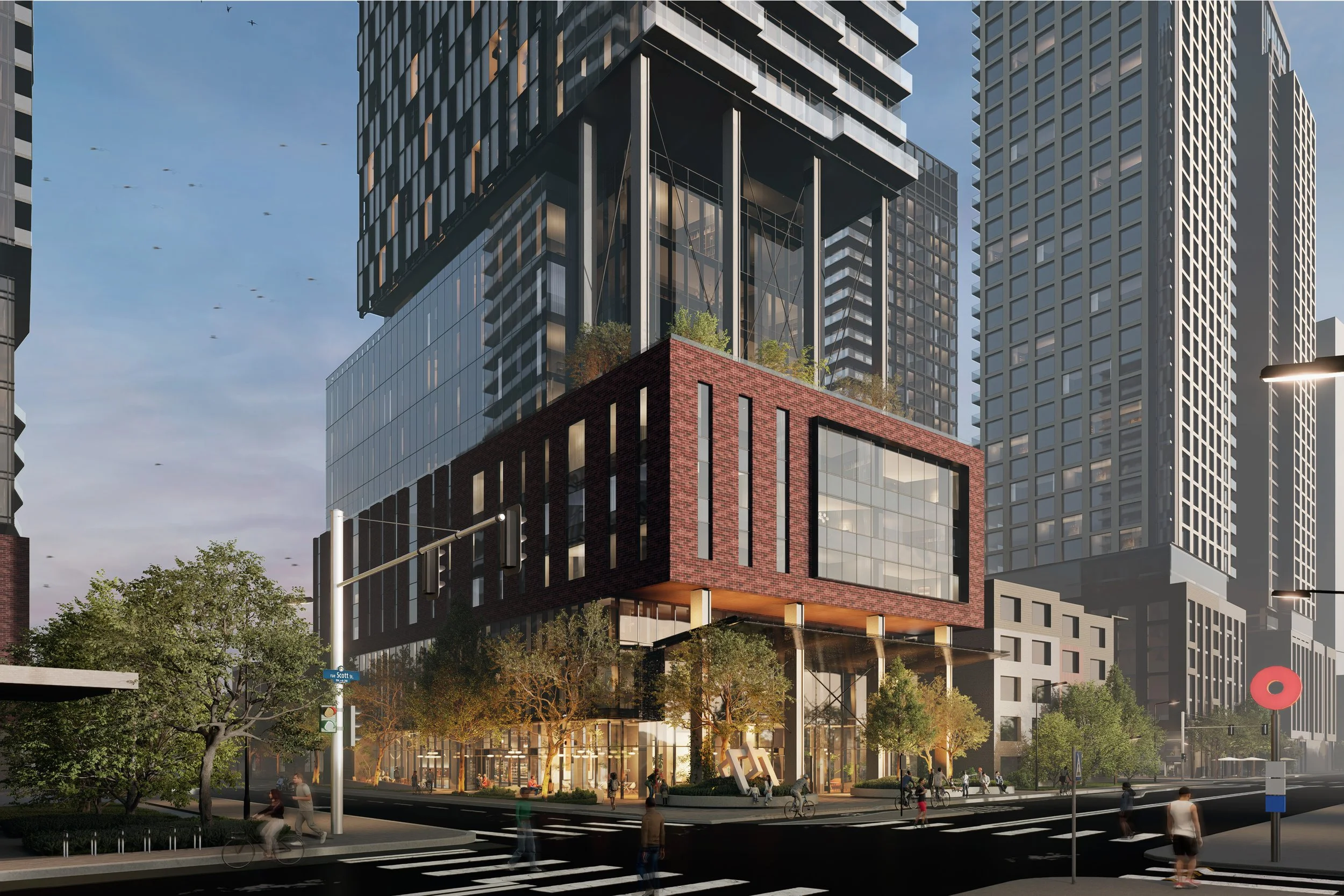
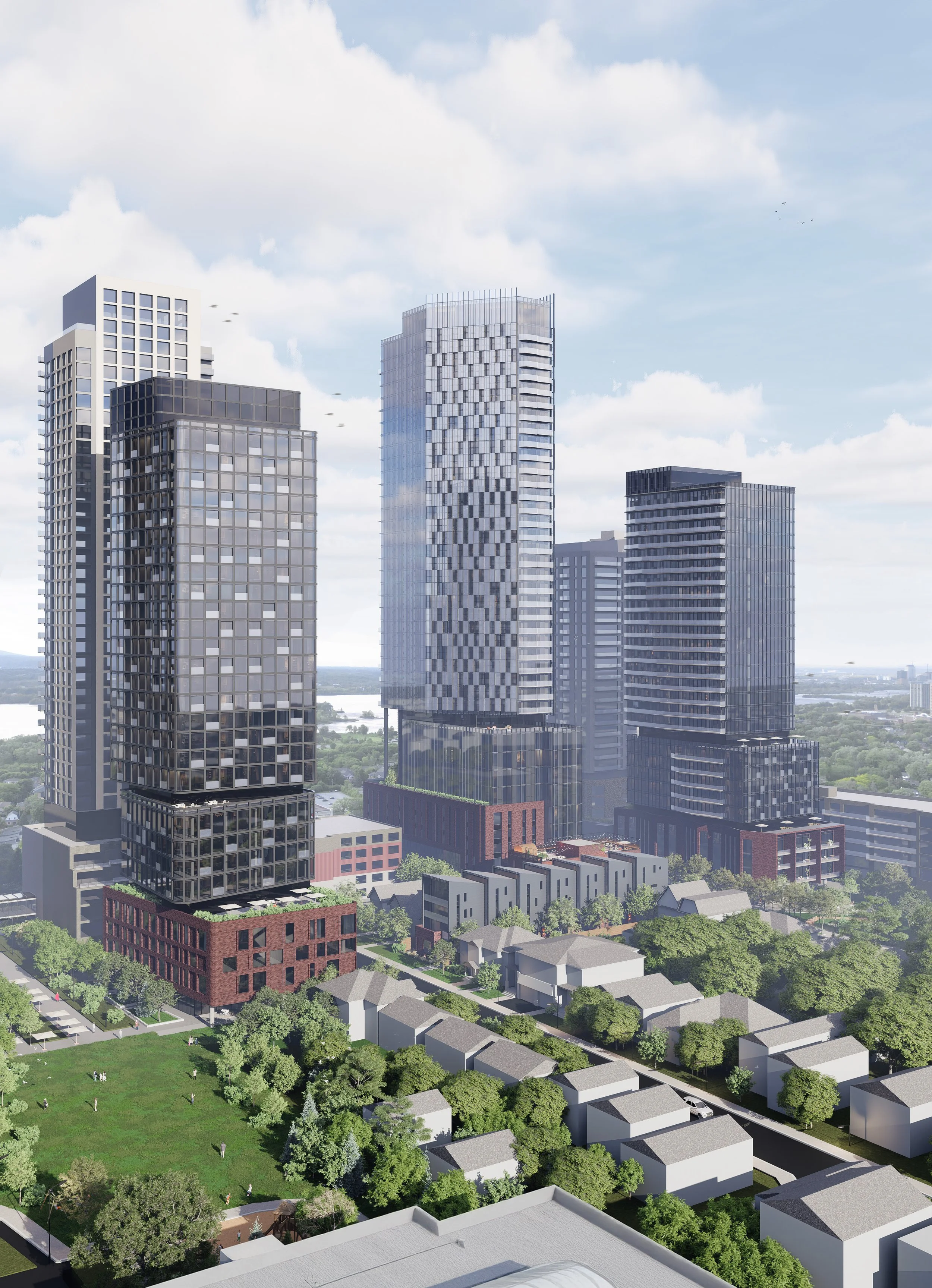
Westboro Village is growing quickly, yet it remains a neighbourhood where daily needs can be met within a short walk, bike ride, or transit trip, a quality residents value deeply. This project helps support that way of life by delivering essential infrastructure that sustains the community’s high quality of living while creating new opportunities for housing. Guided by the City of Ottawa Official Plan and transit-oriented development policies, the project puts people first through a design that is flexible and resilient over time. In addition to meeting parkland requirements, it adds new publicly accessible spaces and connections that make it easier, safer, and more enjoyable for residents to move through and experience the neighbourhood every day.
Key elements of the vision include:
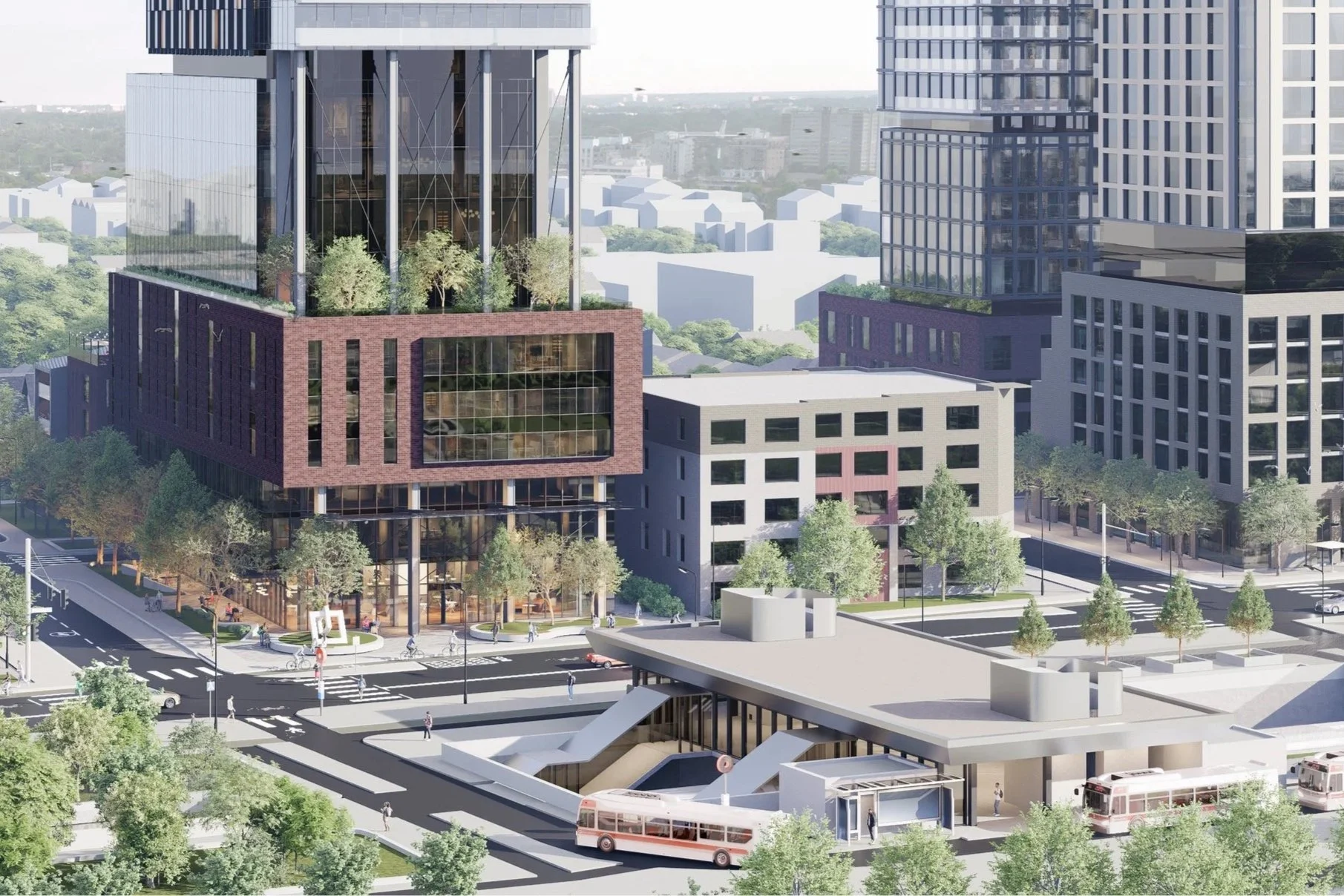
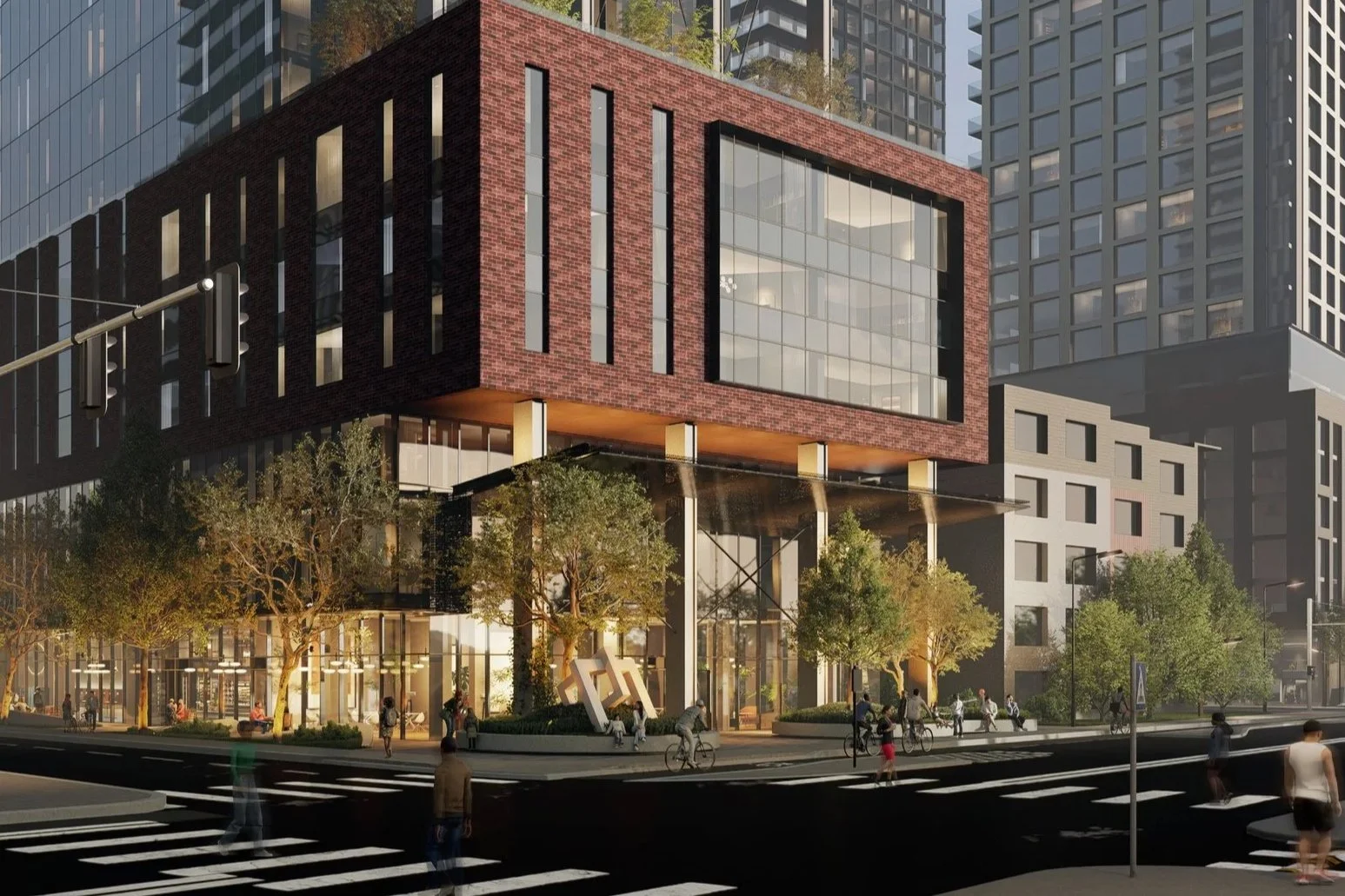
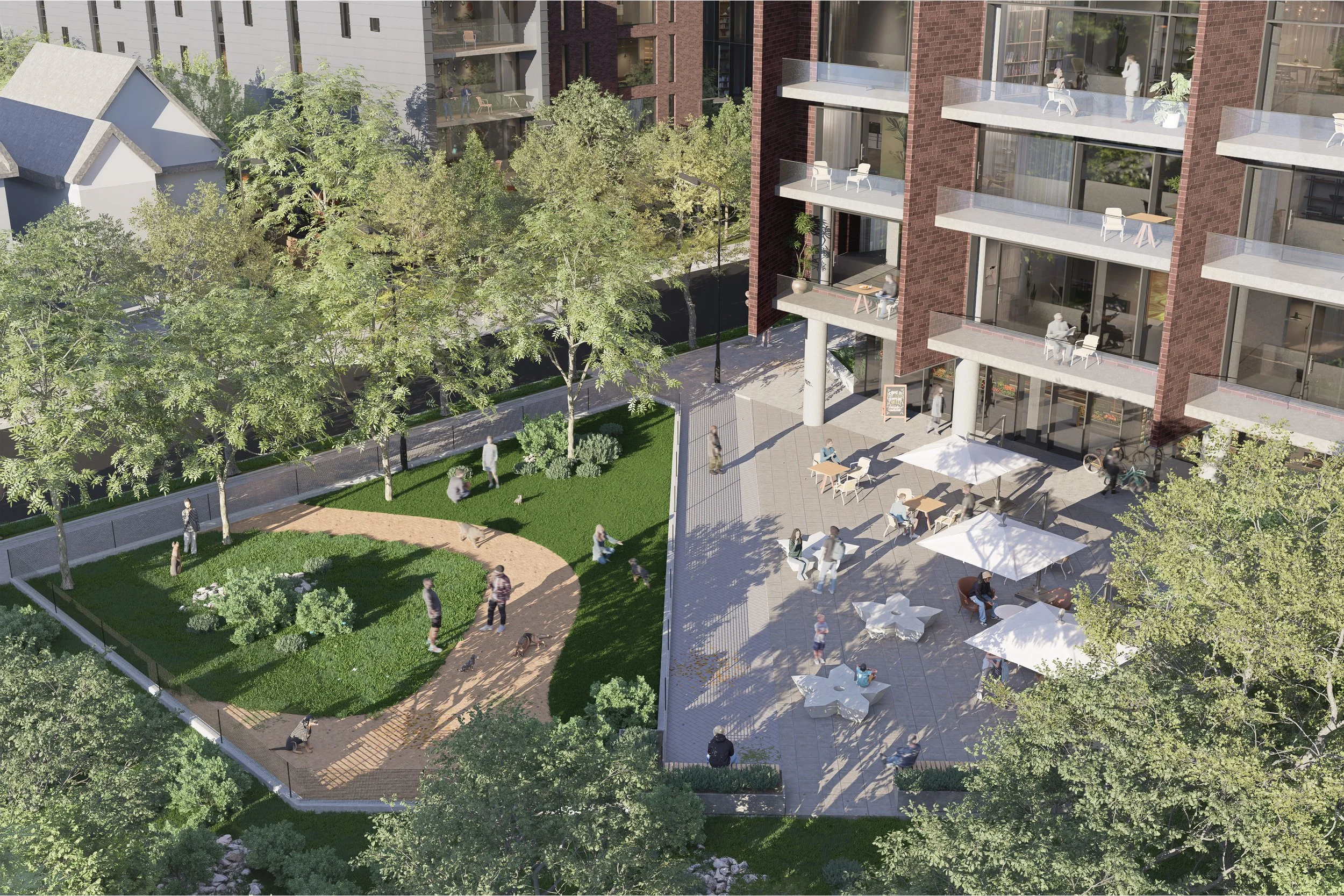
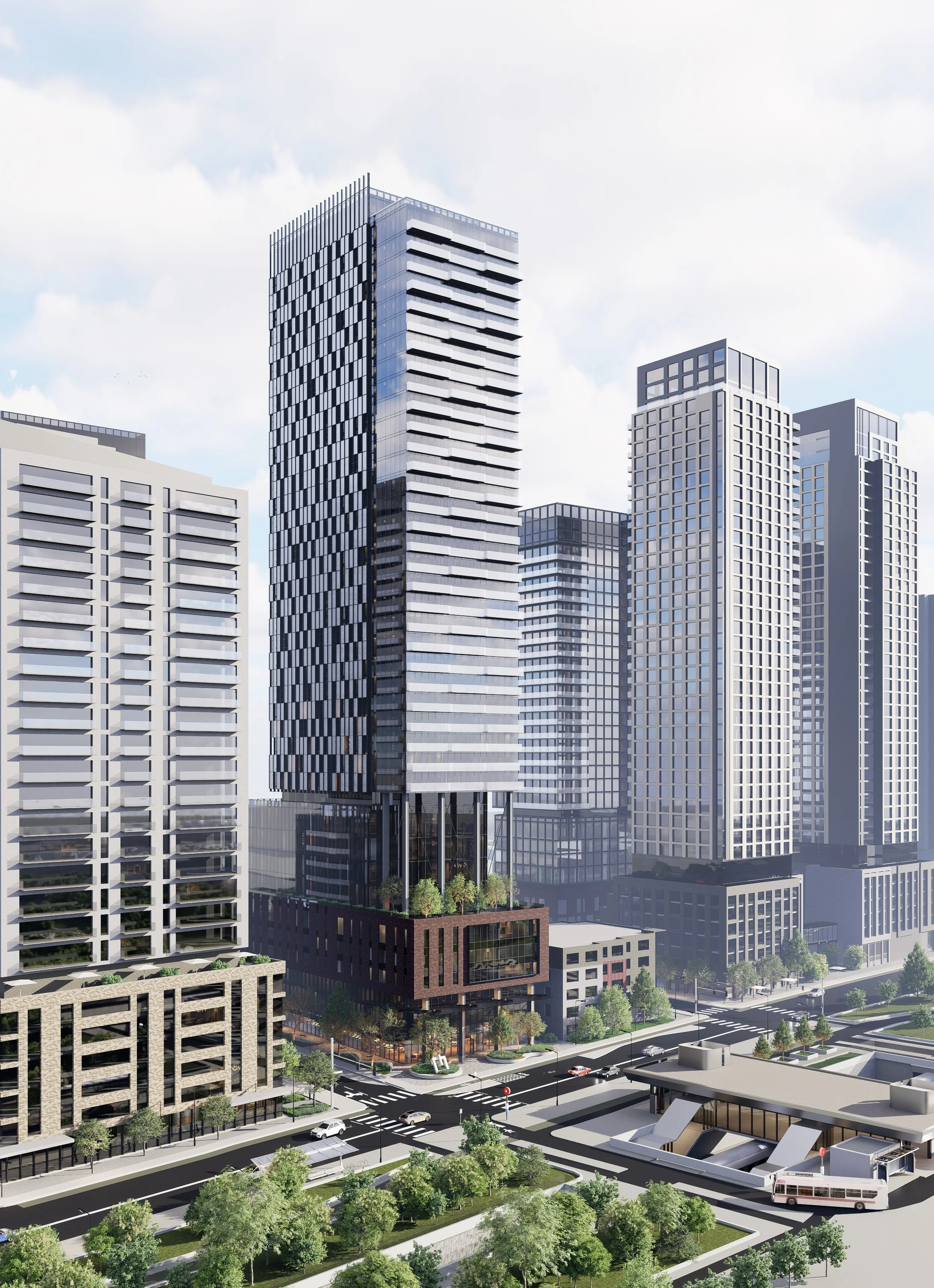
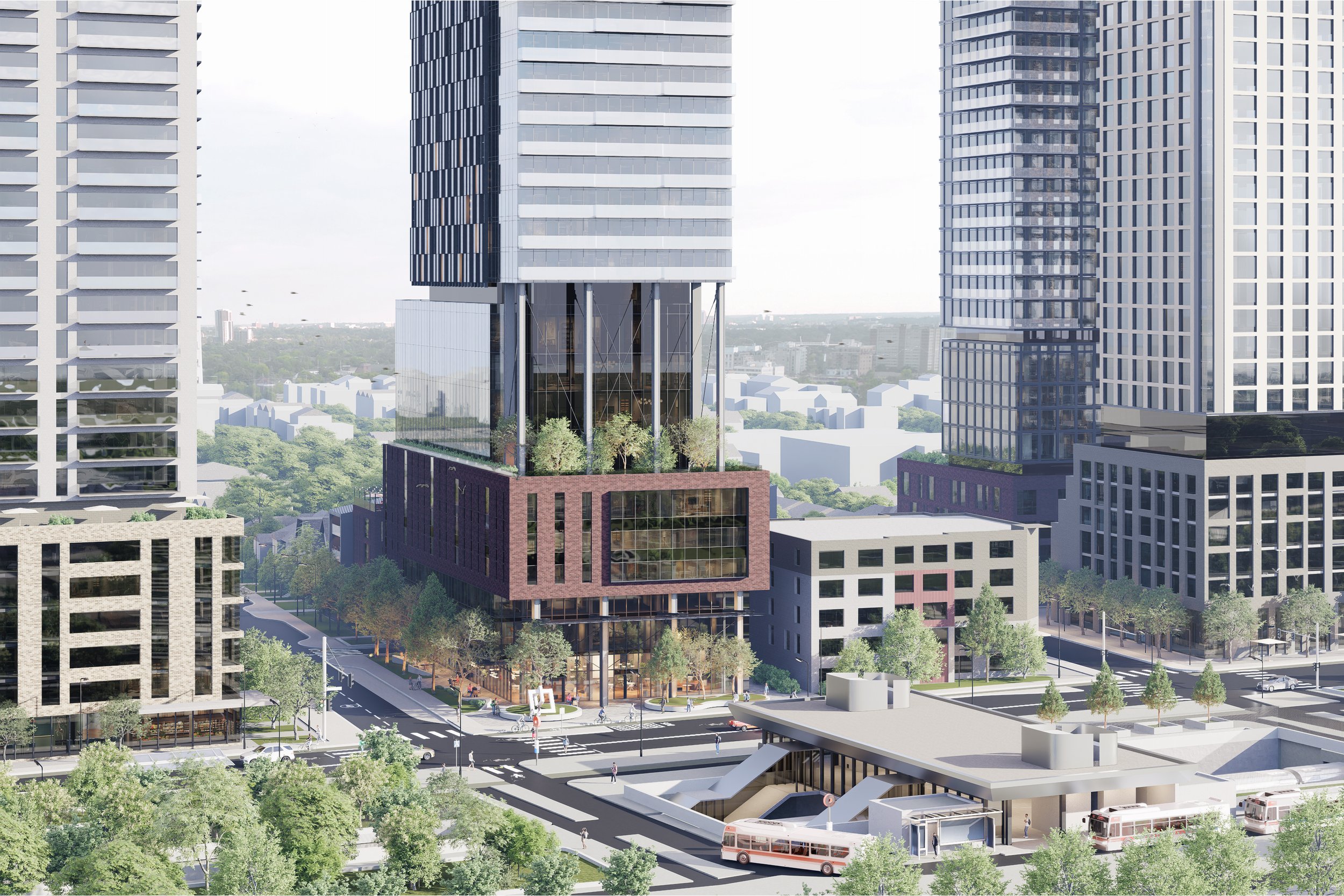
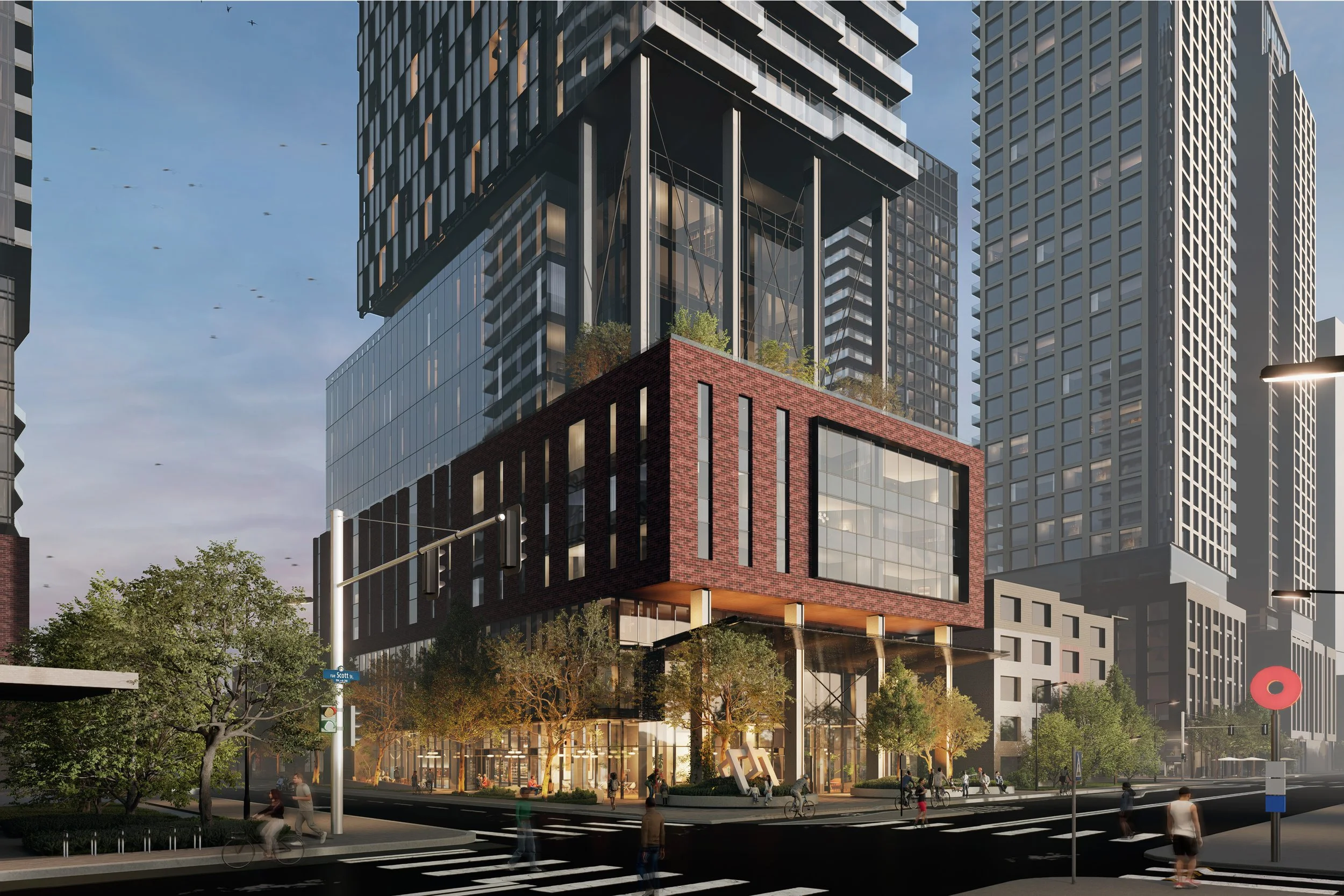
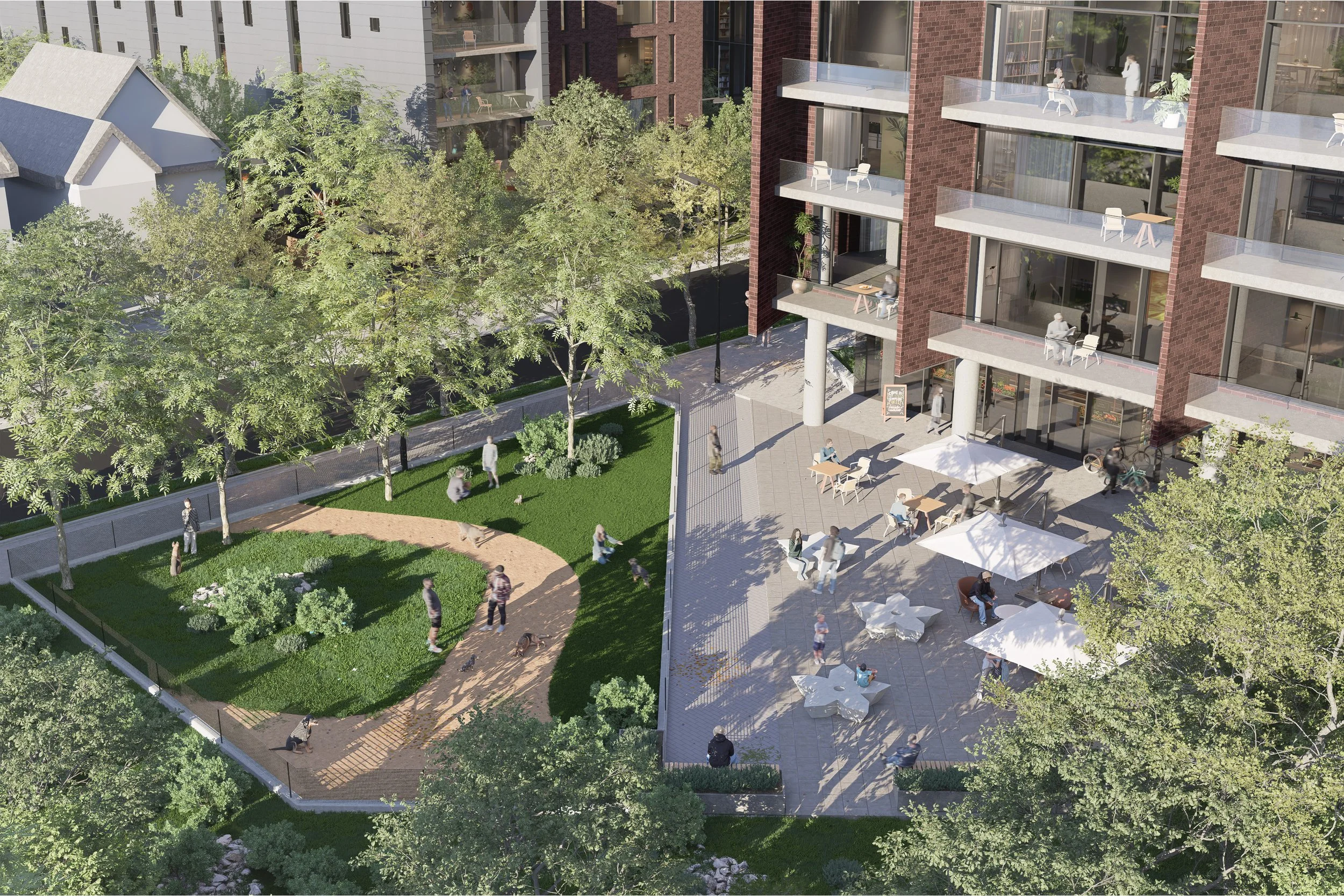
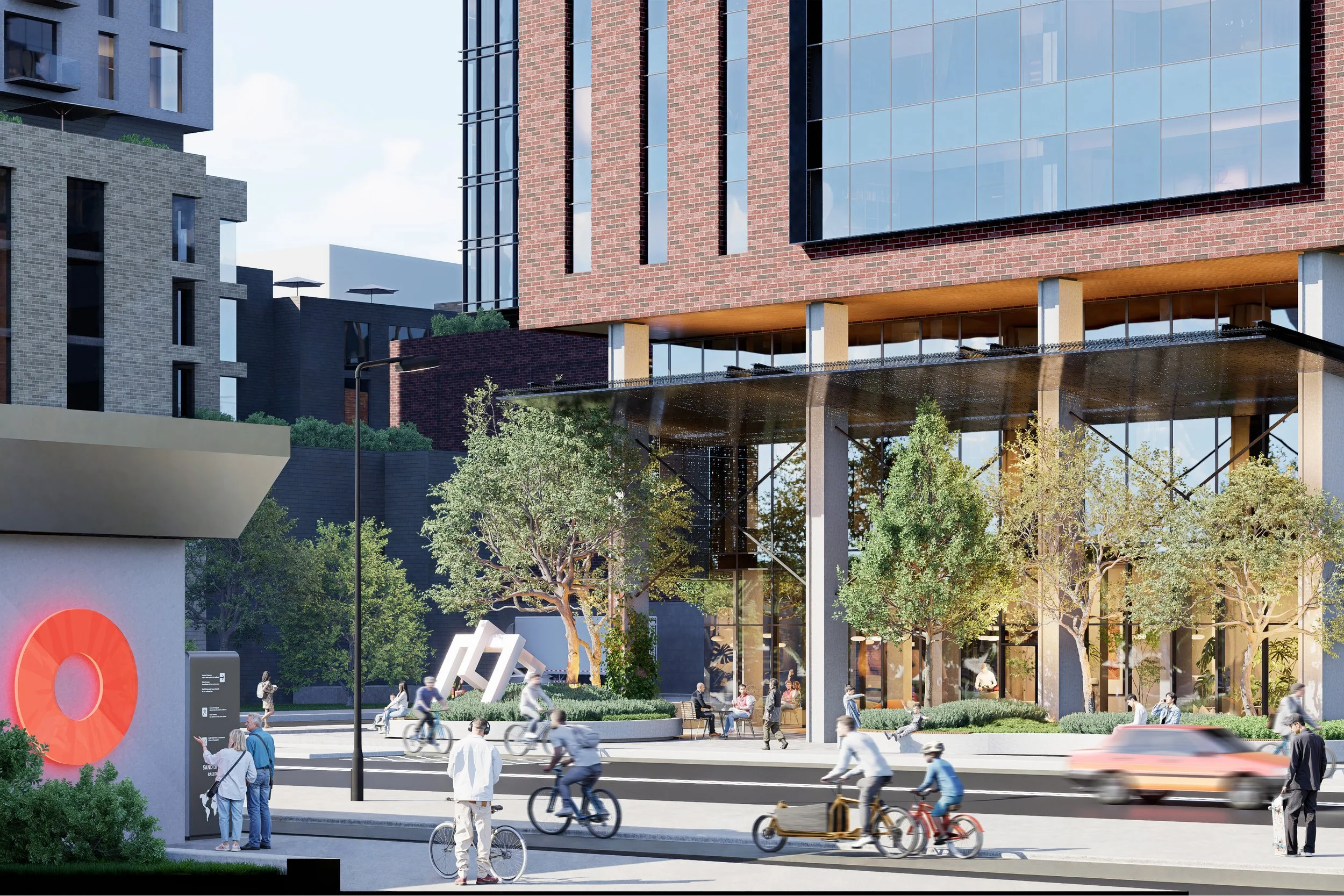
Publicly accessible open spaces adjacent to the Westobo LRT Station on the corner of Scott Street and Tweedsmuir Avenue
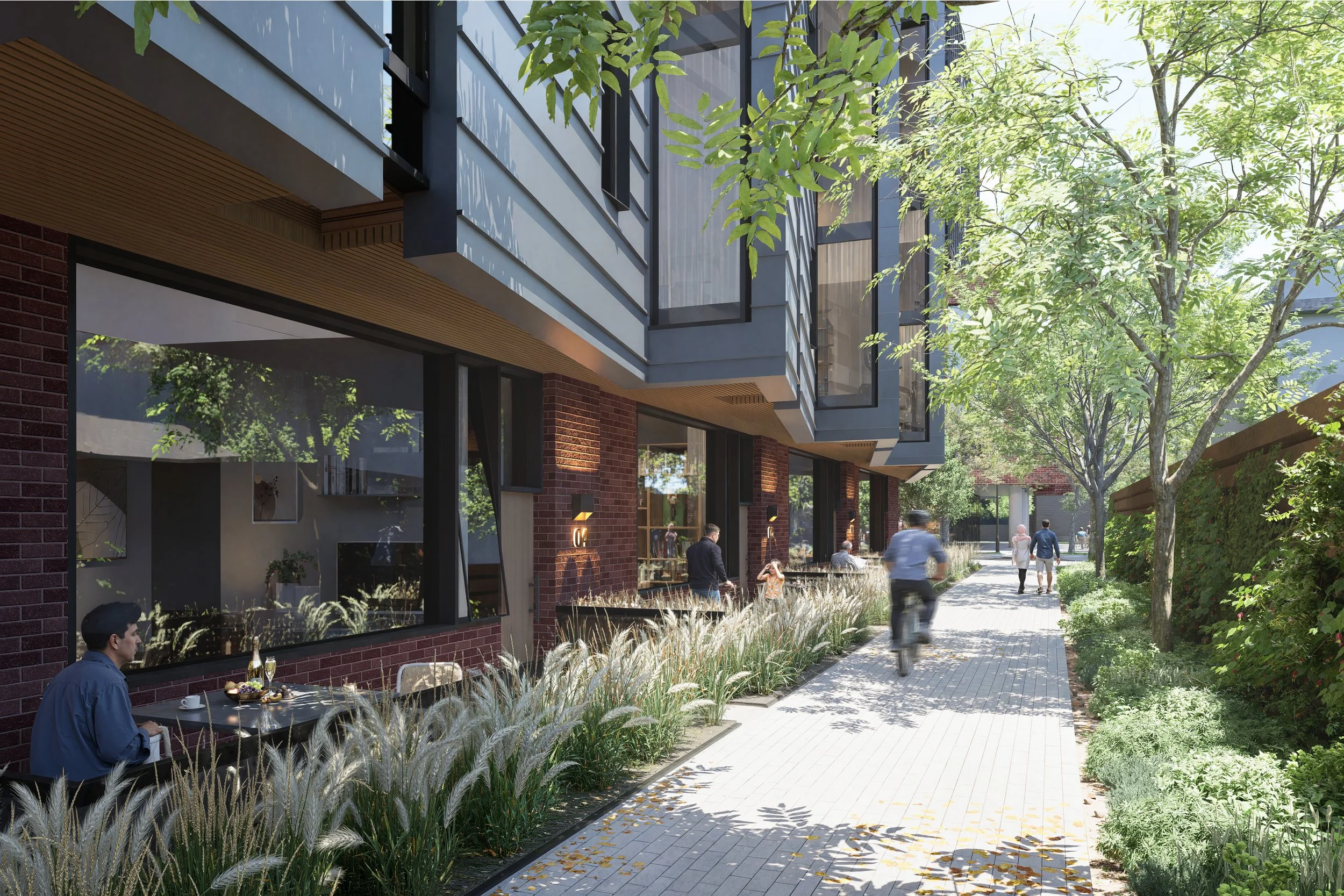
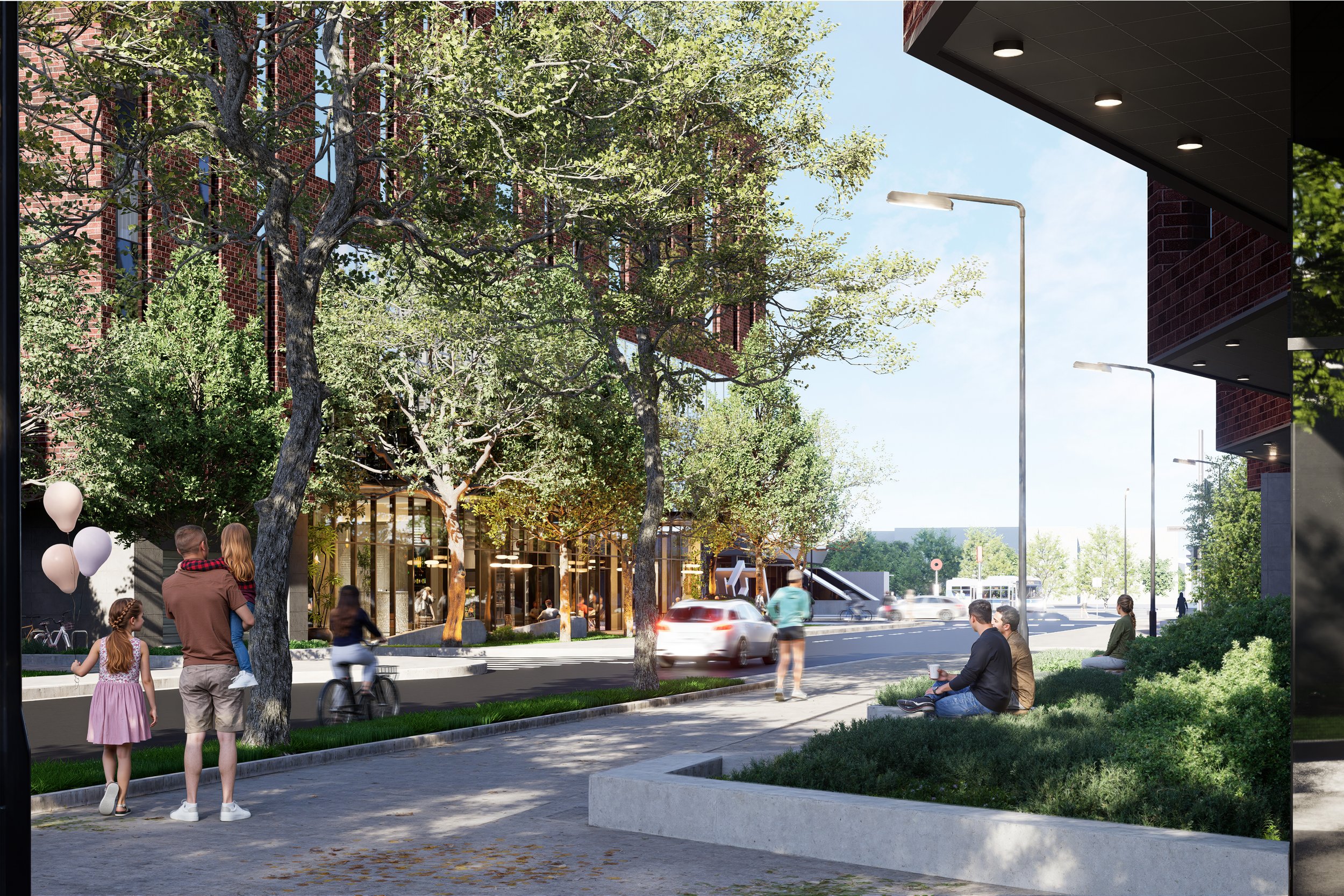
A new inter-block pedestrian connection that improves east-west mobility
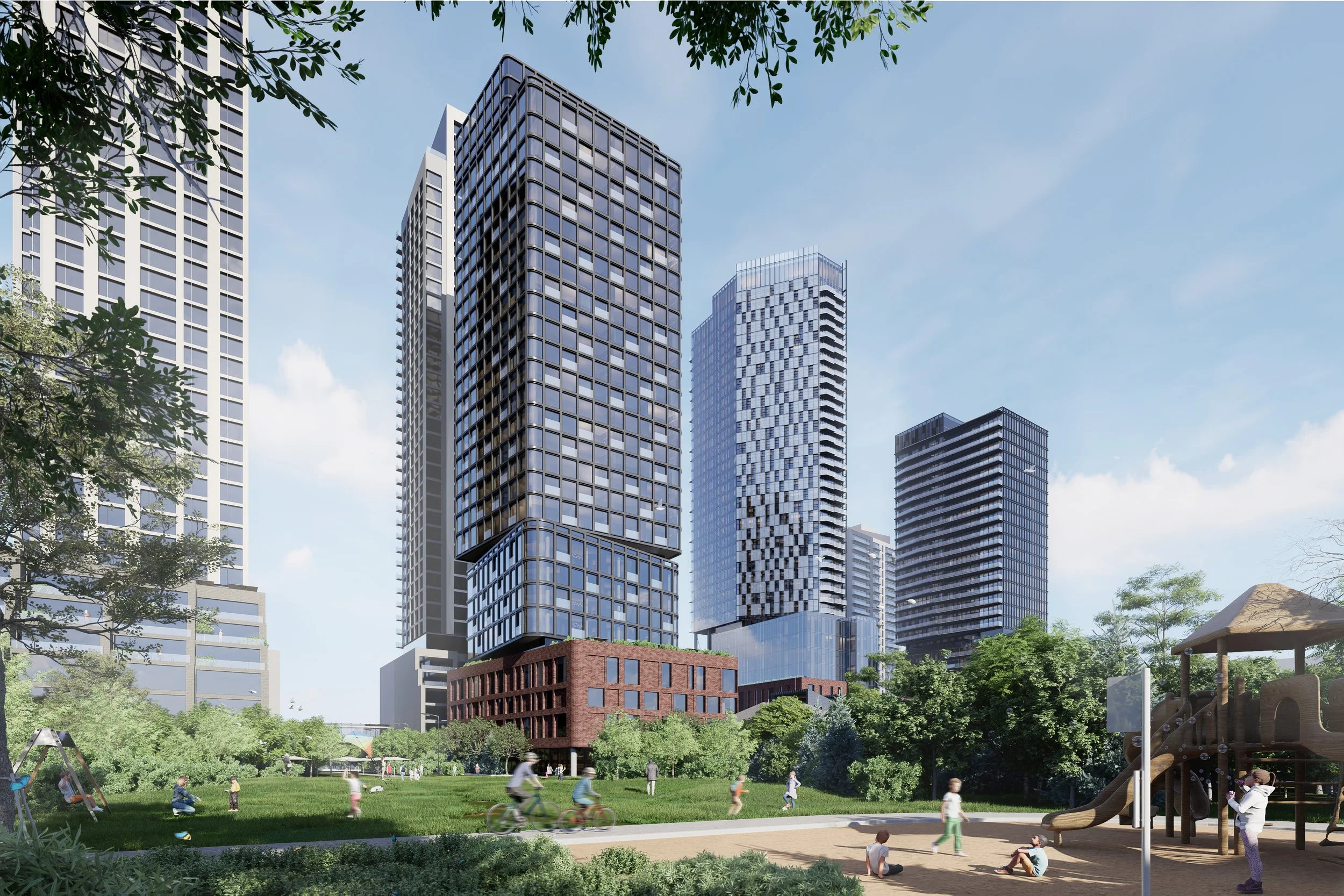
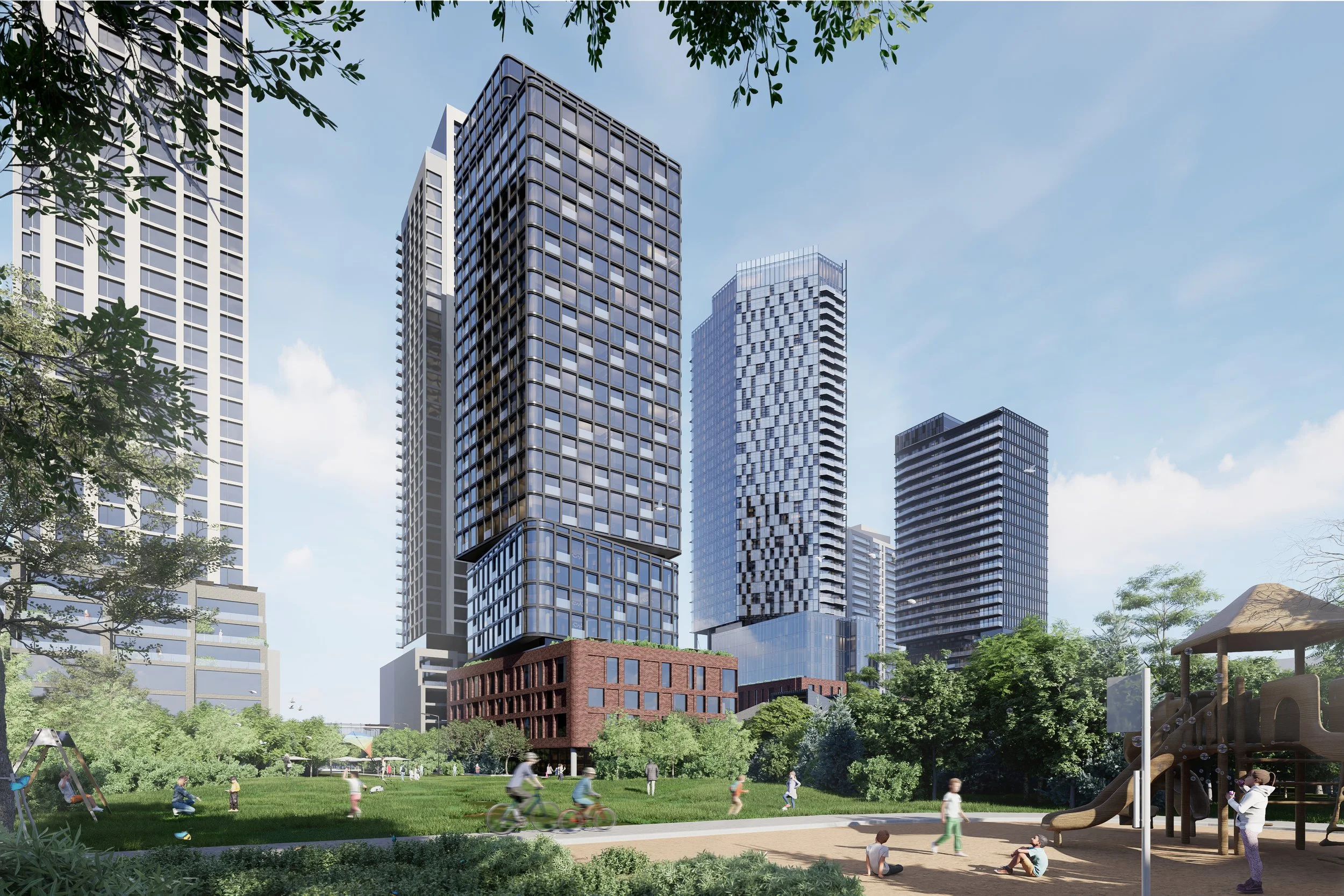
Strong physical and visual connections to Lion's Park
Design that preserves opportunities for future connections to McRae Park
Together, these moves help ensure the site contributes not just buildings, but lasting community value.
KEY DESIGN ELEMENTS
-
![]()
MOBILITY
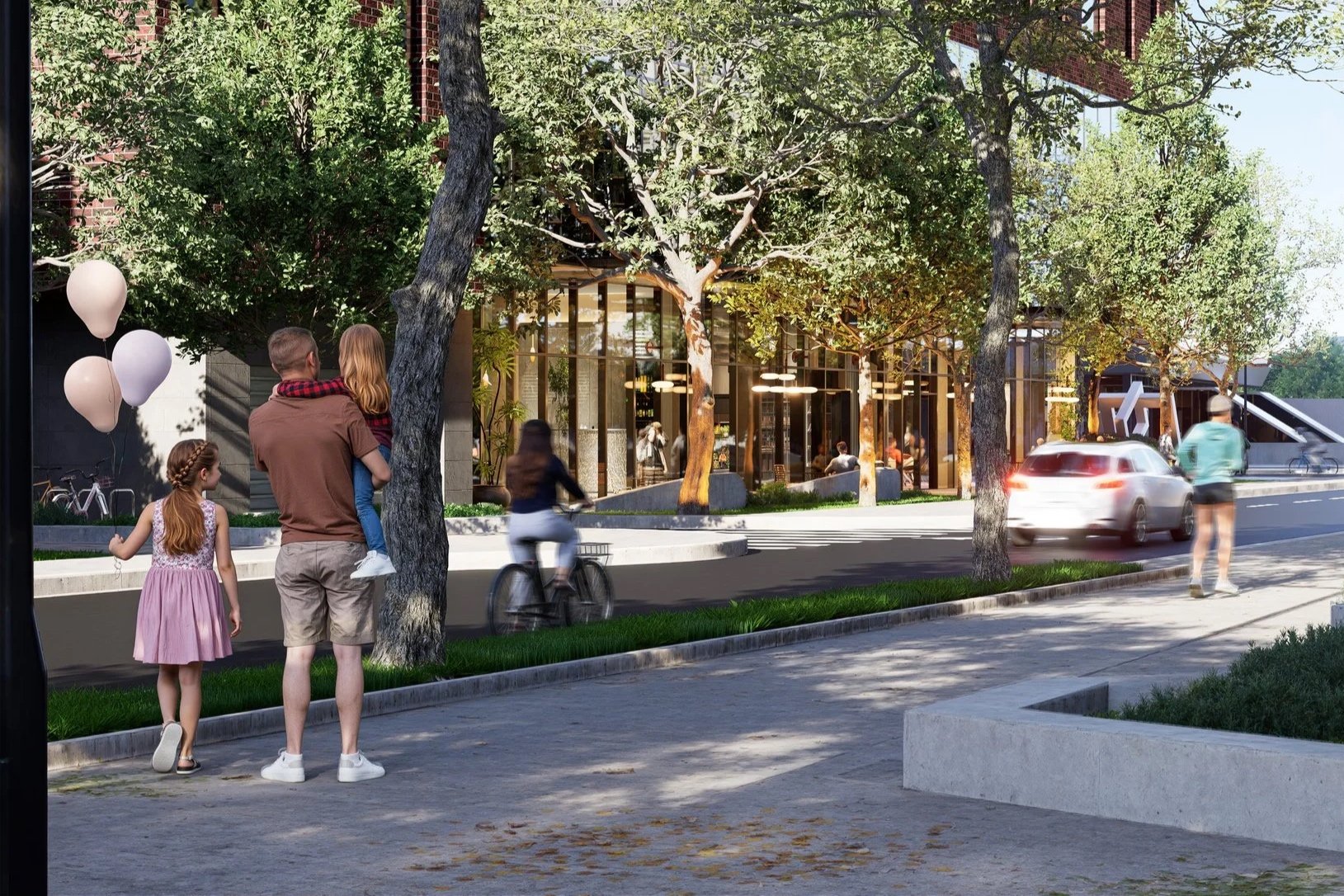
Located 50m from the Westboro LRT Station, the project is designed to support walking, cycling, and transit use, consistent with Ottawa’s intensification and climate goals.
-
![]()
PUBLIC SPACES
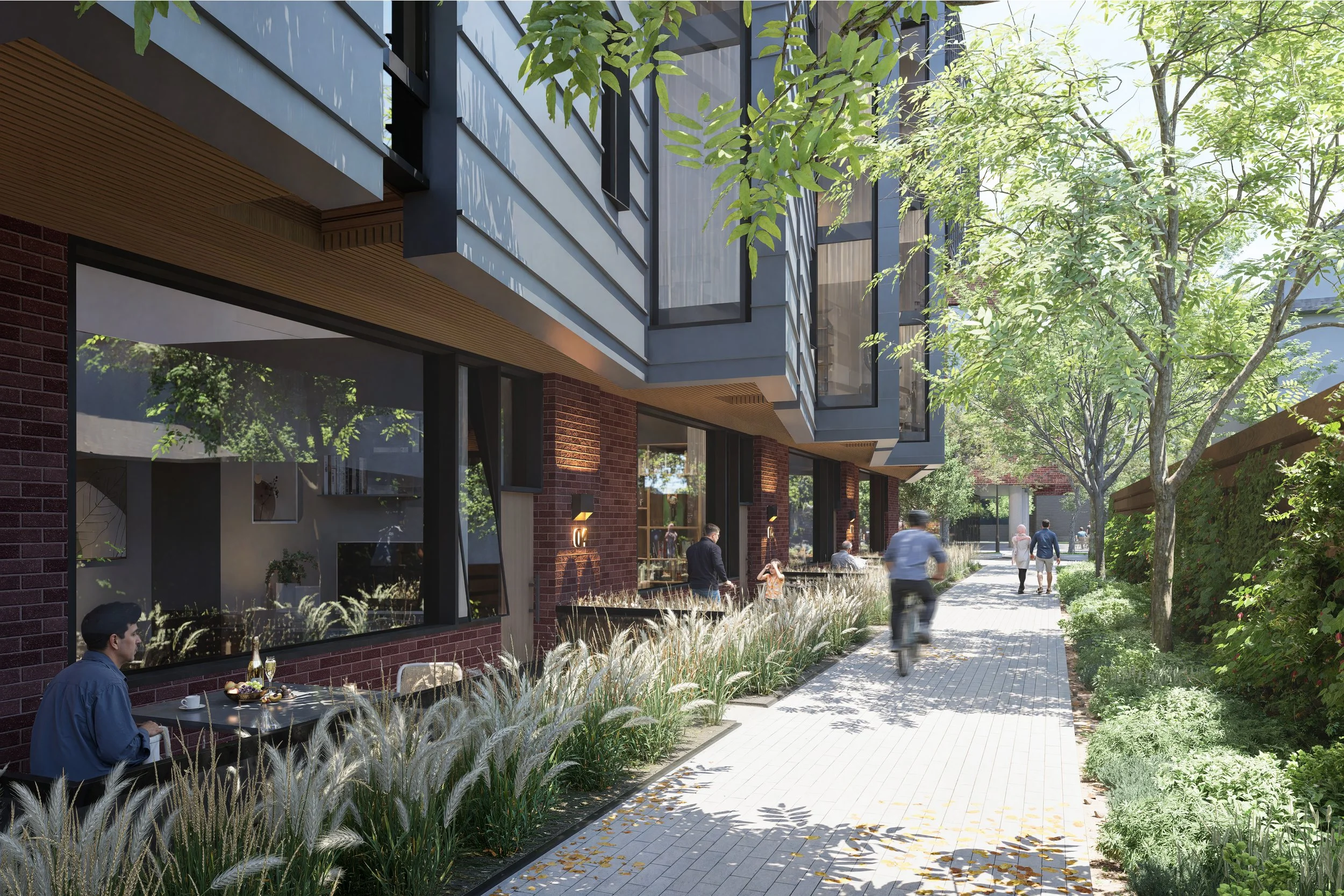
New publicly accessible open spaces (POPs) supplement required parkland, offering places to gather, rest, and connect within the neighbourhood.
-
![]()
CONNECTIVITY
Enhancing the pedestrian network creates safe, intuitive routes through the site, reducing reliance on cars and improving access to parks, transit, and local destinations.
-
![]()
FLEXIBILITY
Ground-floor spaces are designed to evolve over time, supporting residential uses initially while allowing future transition to more retail or community-oriented uses as demand enables.
-
![]()
PARK CONNECTIONS
Clear sightlines, pedestrian routes, and welcoming edges strengthen everyday connections to Lion’s Park and support future links to McRae Park.
-
![]()
HUMAN-SCALE DESIGN
Building massing, setbacks, and materials are organized to create comfortable street environments and minimize impacts on surrounding homes.
WALKTHROUGH THE PROJECT
This short walkthrough video places viewers in the experience of a future resident or visitor. Beginning at the nearby LRT station on Scott Street, the video follows a pedestrian journey across the street, into the new public space on Tweedsmuir Avenue, and through the inter-block pedestrian connection. The walk concludes at Lion’s Park, illustrating how the project stitches into the surrounding park network and everyday routes.

project details
1,206 Units
Consisting of studio, 1-bed, 2-bed, and 3-bed units. A mix of long-term and short-term accommodations will be available.
AFFORDABLE HOUSING
At this stage the project is seeking an Official Plan Amendment and a Zoning Bylaw Amendment. As part of the Site Plan Control Application process, affordable housing commitments will be addressed.
privately-owned public space
Approximately 7,200 square feet of privately-owned pubic space is provided (in addition to the parkland dedication requirements). These spaces will enhance the pedestrian experience adjacent to the Westboro LRT station, while also providing east-west connectivity that will be critical as the neighbourhood continues to evolve.
Amenities
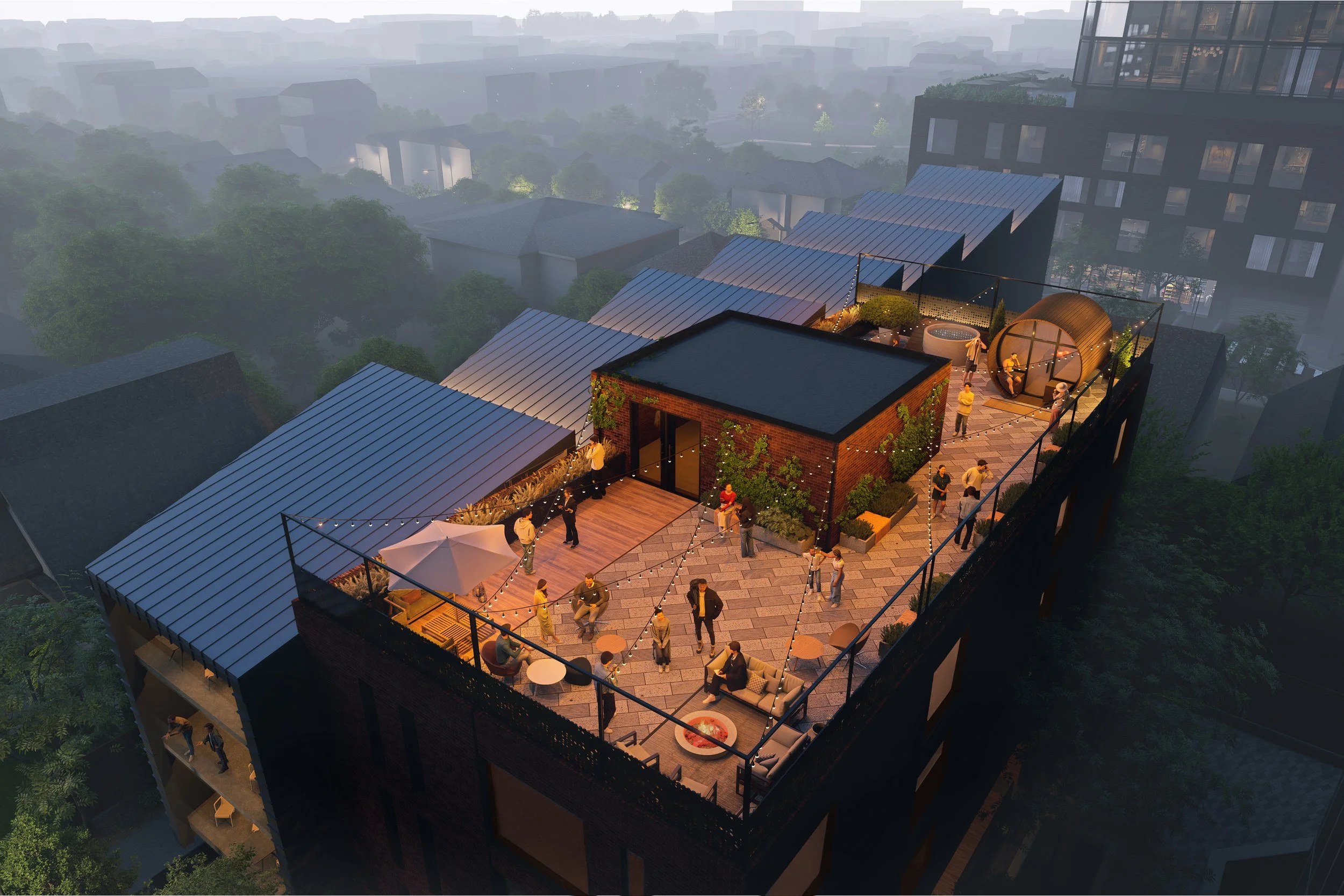
The project includes both indoor and outdoor amenity spaces, designed to support daily living and community interaction. The total amount of amenity space is approximately 77,850 square feet.
parking
A total of 670 resident parking stalls (91 visitors) and 1,279 biking stalls, with the possibility to adapt to demand.
sustainability
Sustainability is embedded in the project through transit-oriented development, enhanced pedestrian and cycling connections, new public spaces and tree planting, and compact building design that supports energy efficiency, climate resilience, and reduced car dependence.
planning documents
All formal application materials—including plans, studies, and reports—are available on the City of Ottawa’s Development Applications website (Ottawa DevApps). Community members can review submission materials, track application status, and access staff reports as they are released.
Frequently Asked Questions
-
The surrounding area continues to experience population growth, increasing demand for housing, parks, and local services. Planning the site now allows for flexible, future-ready land uses that support a complete, 15-minute community.
Commercial uses along Scott Street are currently limited, and Richmond Road is operating at or near its functional capacity, with few opportunities to add new services. This project helps plan for the long-term infrastructure needed to maintain and strengthen existing neighbourhood amenities.
-
The project includes a new publicly accessible park space. A dog park is currently proposed in response to local needs and limited off-leash options nearby.
-
No. While a dog park is proposed, the final design and programming will be determined by the City through further review and community input. Feedback collected through the survey will help inform City Parks & Recreation staff when planning the space.
-
The project team is currently reviewing options for the existing buildings, including potential relocation. No decisions or detailed plans have been finalized at this time.
-
The project incorporates, at a minimum, the same building setbacks that have been previously approved in other developments in the immediate area. These setbacks help ensure appropriate transitions to nearby residential streets.
-
Ground-floor spaces are designed to be flexible. Initial uses may differ from long-term uses, allowing spaces to transition over time to support retail, services, or community-oriented functions as the neighbourhood grows.
-
This has not yet been determined. The tenure will be established once zoning and planning permissions are finalized.
-
Timing is dependent on market conditions. The current planning process focuses on preparing the site for future development, with individual phases advancing when conditions allow.
-
Yes. Community feedback, technical review, and City comments will continue to inform refinements as the application progresses.
-
All application materials, including plans and studies, are available on the City of Ottawa’s Development Applications (Ottawa DevApps) website.
-
Complete the survey, follow updates on the project website, and monitor City notices as the application moves forward.
Get in touch and be heard
Community feedback plays an important role in shaping the final design. We are seeking input to help refine public spaces, pedestrian connections, and ground-floor uses so the project responds to local priorities.
An online survey has been created to gather feedback on key design elements and community benefits. The survey takes approximately 5–7 minutes to complete, and responses will be reviewed by the project team as the design evolves.